
Air Conditioning Installation in EssexSized in kW, Fitted ProperlyAnd Serviced Under F-Gas Registration
A poorly sized or badly sited air conditioning unit either struggles all summer or short-cycles and wastes electricity. FHP Heating surveys the room or building, calculates the correct cooling and heating load in kW, and installs under F-Gas registration with the refrigerant handling and leak checks that competence category legally requires.
F-Gas registered · £2 million public liability insurance · 12-month workmanship guarantee on every install.
F-Gas
Registered for refrigerant handling
22 years
In the heating and plumbing trade
kW-rated
Room-by-room load calculations
£2 million
Public liability insurance
24/7
Phone answered, seven days a week
Cooling and heat pump heating, specified rather than guessed
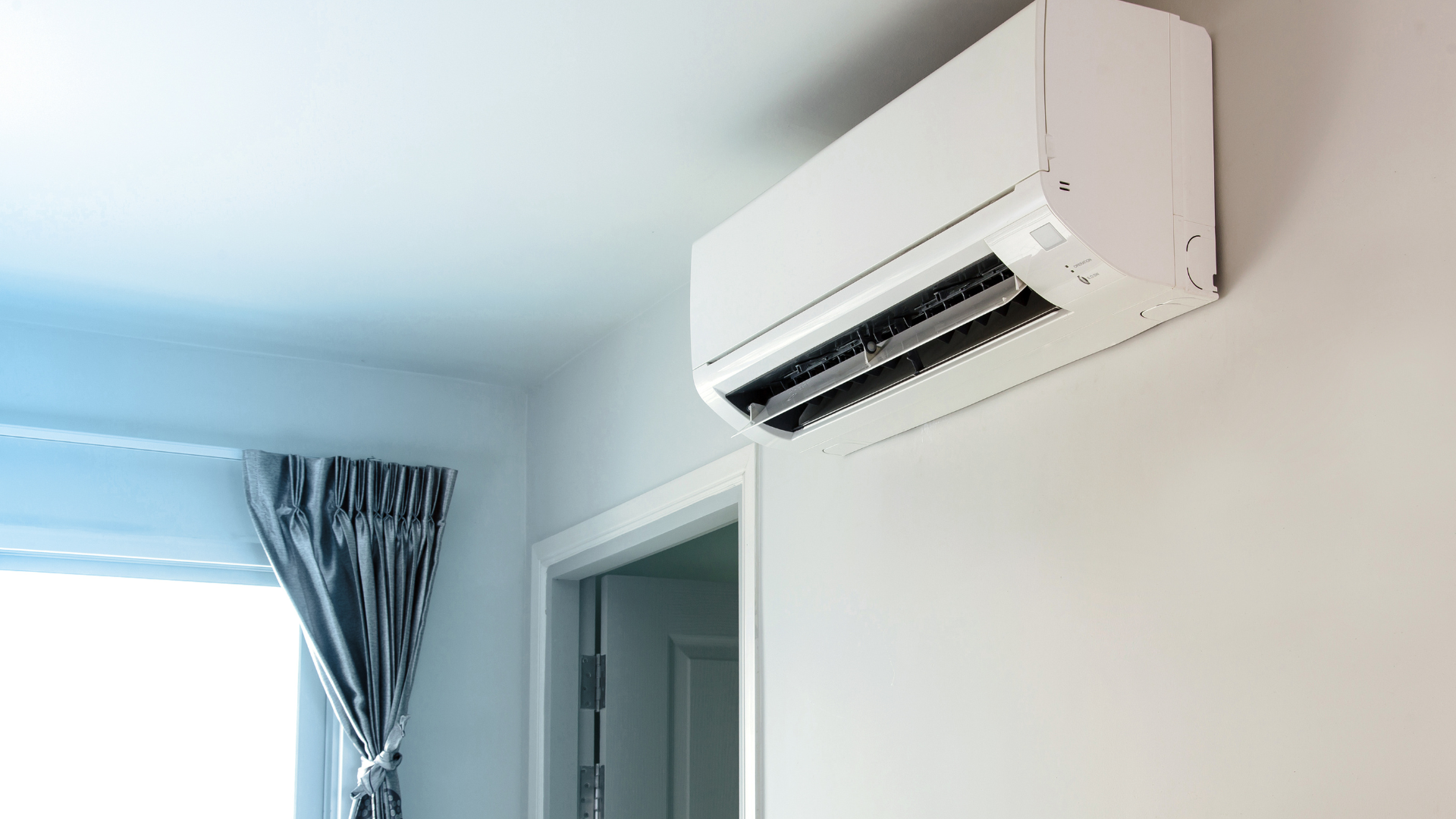
Air conditioning installation is the fitting of an indoor unit, an outdoor condenser, the refrigerant pipework and electrical connection that link them, and the condensate drainage that clears the water the system produces while cooling. FHP Heating supplies, installs, services and repairs wall-mounted split systems, multi-split systems, ducted units and ceiling cassettes across Essex, in homes and commercial premises, and does so under F-Gas registration rather than Gas Safe, because air conditioning work is refrigerant work, not gas work.
What the work actually involves
Calculating the cooling load for the room or building, choosing indoor unit type and siting, positioning the outdoor unit with sensible clearances and noise consideration, running refrigerant pipework between the two, connecting the electrical supply, evacuating and pressure-testing the pipework, charging the system with refrigerant, and commissioning it to run correctly in both cooling and, on heat pump systems, heating mode.
Who it is for
Homeowners with a bedroom or south-facing living room that becomes unbearable in summer, landlords fitting units into new-build or renovated properties, and businesses — offices, salons, server rooms, retail units — where temperature affects staff, stock, customers or equipment rather than just comfort.
When it is needed
When a room overheats regardless of ventilation, when an existing system is undersized and never quite gets there, when a server room or comms cabinet needs reliable cooling that cannot fail on the hottest day, when a salon needs to manage heat from equipment and footfall, or when winter heating from a heat pump split system is being considered alongside or instead of gas central heating in a particular room.
Why F-Gas registration matters here
Handling refrigerant — installing, servicing, repairing or decommissioning any system containing F-gases — is restricted by law to F-Gas registered engineers, because these refrigerants are potent greenhouse gases if released. Registration covers correct evacuation, charging without venting to atmosphere, leak detection and the record-keeping the regulations require. FHP Heating holds F-Gas registration for this work, separately from the Gas Safe registration held for gas appliance work.
An undersized or badly sited system is expensive twice over
Air conditioning gets bought under pressure, usually during the first genuinely hot week of the year, from whoever can fit something quickest. The unit that goes in under that pressure is often the wrong size, in the wrong place, or fitted by someone who is not legally allowed to be handling the refrigerant at all.
Undersized units that never cool the room
A unit specified by floor area alone, without accounting for glazing, aspect, occupancy and equipment heat gain, runs constantly on the hottest days and still leaves the room warm. You end up paying for electricity a correctly sized system would not use.
Oversized units that short-cycle
Too large for the room, a unit cools quickly, switches off, and cycles on and off repeatedly rather than running steadily. Short-cycling wastes energy, leaves humidity uncontrolled, and wears components faster than a system sized correctly for the space.
Refrigerant handled illegally or badly
Anyone without F-Gas registration installing or servicing a split system is breaking the law and is also more likely to leave the system under-charged, over-charged, or with a slow leak that only shows up as declining performance months later.
Condensate leaks into the building
Every indoor unit produces condensate as it cools the air. A poorly fitted or unmaintained drain backs up, overflows, and stains ceilings or damages equipment below — a common and entirely avoidable cause of internal water damage from air conditioning.
Downtime that costs more than the unit
A failed system in a server room risks equipment; a failed system in a salon or office on a hot day sends customers and staff home. Commercial cooling failures rarely stay a comfort issue for long.
Refrigerant leaks going unnoticed
A slow refrigerant leak reduces cooling capacity gradually, so the system seems to just be 'getting worse with age' rather than faulty. Left unchecked it eventually fails outright, and F-Gas regulations require leak checks precisely because these leaks are both a performance and an environmental problem.
Mistakes that make the bill bigger
- Buying a unit sized by room floor area alone, ignoring glazing, aspect, equipment heat and occupancy.
- Letting anyone without F-Gas registration install, service or top up refrigerant, which is both illegal and a common cause of poor performance.
- Siting the outdoor unit somewhere with no service access, next to a bedroom window, or where recirculating hot exhaust air undermines its own efficiency.
- Ignoring condensate drainage until it overflows into a ceiling or onto equipment below.
- Skipping annual servicing on the assumption that a sealed system needs no attention, then discovering a slow leak has already cost months of poor cooling.
- Choosing a single wall-mounted unit for a whole open-plan space instead of a properly designed multi-split or ducted system.
Five stages from survey to a system that runs quietly and correctly
Every stage is agreed with you before the next begins, and every fixed price is based on an actual survey of the room or building rather than a guess over the phone.
-
STEP 01
Survey and load calculation
We assess the room or building: floor area, glazing and aspect, occupancy, equipment heat gain, ceiling height and structure, and calculate the cooling (and, for heat pump systems, heating) load in kW rather than sizing by guesswork.
-
STEP 02
System selection and fixed price
You get a written recommendation — wall-mounted split, multi-split, ducted or ceiling cassette — matched to the load, the room layout and how the space is used, with one fixed price agreed before any work starts.
-
STEP 03
Installation
Indoor unit and outdoor condenser sited for performance, access and noise, refrigerant pipework and electrical supply run, condensate drainage installed with correct fall, and the installation pressure-tested before charging.
-
STEP 04
Evacuation, charging and commissioning
The pipework is evacuated to remove air and moisture, charged with the correct refrigerant quantity without venting to atmosphere, and the system is run and checked in both cooling mode and heating mode where the unit is a heat pump.
-
STEP 05
Handover, guarantee and ongoing servicing
Controls demonstrated, filters and maintenance requirements explained, a job report issued, and the installation backed by our 12-month workmanship guarantee. Annual servicing, including the F-Gas leak check where the system requires one, keeps it running efficiently.
What a correctly specified system buys you
The difference between a good air conditioning installation and a poor one shows up in the electricity bill, the noise level, and whether the system is still working properly in three years.
A room that actually cools
Load calculated in kW for the specific room, not read off a box in a shop, so the unit has the capacity to cool the space it is actually being asked to cool.
Lower running cost
Correctly sized systems run steadily rather than short-cycling, which uses less electricity than an oversized unit switching on and off all afternoon.
Winter heating from the same unit
Heat pump split systems provide efficient heating as well as cooling, which can supplement or, in some rooms, replace other heating during milder months.
Legally compliant refrigerant handling
Installation, charging and servicing carried out under F-Gas registration, with the leak checks and record-keeping the regulations require, protecting you from the risks of unregistered work.
Quiet, sensibly sited equipment
Outdoor unit position considered for noise, airflow and neighbours as well as pipe run length, so the system is not fighting its own exhaust air or annoying anyone next door.
One company for install and upkeep
The same engineers who fit the system carry out the annual service, filter cleans and any repairs, so the person maintaining it already knows exactly how it was installed.
Air Conditioning jobs completed across Essex
Photographs from real FHP Heating jobs — no stock imagery. See the full gallery.
System types, siting and the situations that change the specification
Air conditioning covers a wide range of equipment, from a single bedroom split to a ducted system serving an entire office floor. What suits a home office is wrong for a server room, and wrong again for a hairdressing salon.
Wall-mounted splits, multi-splits, ducted and cassette systems
A wall-mounted split system is one indoor unit paired with one outdoor condenser, and it remains the most common installation for a single bedroom, living room or home office where discreet ducting is not needed.
A multi-split system connects two or more indoor units to a single outdoor condenser, which suits a house or flat needing cooling in several rooms without cluttering the exterior wall with multiple outdoor units, and lets each room be controlled independently.
Ducted systems hide the indoor unit above a ceiling and distribute air through discreet grilles, which suits open-plan living spaces and commercial fit-outs where wall-mounted units are impractical or visually unacceptable. Ceiling cassette units sit flush in a suspended ceiling and distribute air in four directions, a common choice for offices, shops and commercial spaces where floor space and wall space are both at a premium.
- Single-room wall-mounted split
- Multi-split for several rooms, one outdoor unit
- Ducted system for open-plan or commercial space
- Ceiling cassette for offices, salons and shops
- Heat pump systems providing winter heating
- Server room and comms cabinet cooling
Sizing, siting and installation detail
Correct sizing is expressed in kW of cooling (and heating, for heat pump units) capacity, calculated from floor area, glazing, aspect, occupancy and equipment heat gain rather than picked from a generic chart. Undersizing leaves a room that never quite cools; oversizing causes short-cycling and uneven humidity control.
Indoor unit position affects airflow distribution and noise close to where people sit or sleep. Outdoor unit position affects service access, noise transmission to neighbours, and whether the unit can pull in cool air rather than recirculating its own warm exhaust. Refrigerant pipework runs between the two are kept as short and as well-insulated as the building allows, since longer runs and unnecessary bends reduce efficiency.
- Room-by-room kW load calculation
- Indoor unit siting for airflow and noise
- Outdoor unit siting for access, noise and airflow
- Insulated refrigerant pipework runs
- Condensate drainage with correct fall
- Electrical supply sized to the unit
Filters, coil cleaning and F-Gas leak checks
Indoor unit filters trap dust and need regular cleaning to keep airflow and efficiency up; a clogged filter is one of the most common reasons a system seems to be losing power. Coil cleaning, on both the indoor and outdoor units, clears the fine fins that transfer heat and are easily restricted by dust, pollen and, on outdoor units, general debris.
F-Gas regulations require systems above a certain refrigerant charge to have periodic leak checks carried out by a registered engineer, along with records of the checks and any refrigerant added or recovered. A leak check during an annual service catches slow losses before they become a full loss of cooling and before the environmental impact of an undetected leak grows.
Domestic and commercial installations
Domestic installs range from a single bedroom split to a whole-house multi-split, usually completed in a day, sequenced to minimise disruption and finished with pipework routed as tidily as the building allows.
Commercial installations bring different priorities: an office needs even distribution and low noise across an open floor; a salon needs cooling that copes with equipment heat and continuous footfall without drying the air too aggressively; a server room needs reliable, often continuous cooling with resilience built in, because a cooling failure there risks the equipment itself, not just comfort. FHP Heating carries £2 million public liability insurance and installs and maintains commercial systems across Essex alongside domestic work.
Air Conditioning questions,
answered straight
Anything not covered here, ring Dean Sone on 07534 068551. The phone is answered 24 hours a day.
How much does air conditioning installation cost in Essex?
It depends on the system type, the number of rooms, the pipe run length and the outdoor unit siting. FHP Heating surveys the property, calculates the load in kW, and gives one written fixed price before any work starts. Prices can vary by location.
How long does it take to install air conditioning?
A single-room wall-mounted split is usually completed in a day. Multi-split, ducted or ceiling cassette systems covering several rooms or a commercial space typically take longer, and the survey confirms the timescale in writing alongside the price.
Do I need a Gas Safe engineer to fit air conditioning?
No. Air conditioning is refrigerant work, not gas work, and is covered by F-Gas registration rather than Gas Safe registration. FHP Heating holds both, so gas appliance work and air conditioning work are each carried out under the correct legal registration.
What size air conditioning unit do I need?
The right size is calculated in kW based on the room's floor area, glazing, aspect, occupancy and any heat-generating equipment, not read off a generic chart. Undersized units never quite cool the room; oversized units short-cycle and waste electricity. We calculate this at survey rather than guess.
Can air conditioning heat a room in winter as well as cool it?
Yes, if it is a heat pump split system, which most modern residential units are. These systems run in reverse to provide efficient heating during colder months, which can supplement other heating in that room.
How often does air conditioning need servicing?
Annually, as a minimum. A service includes filter cleaning, coil cleaning, checking the condensate drain, and an F-Gas leak check where the system's refrigerant charge requires one under the regulations.
What warranty comes with a new air conditioning installation?
The unit itself carries a manufacturer warranty, and every installation FHP Heating completes carries our own 12-month workmanship guarantee on top.
Do you install and service commercial air conditioning?
Yes, including offices, salons, retail units and server room cooling, alongside domestic installations. We carry £2 million public liability insurance for commercial work.
Is it an emergency if my air conditioning stops working?
It can be, particularly in a server room or where cooling failure affects a business or a vulnerable person. The phone is answered 24 hours a day, seven days a week on 07534 068551, and we assess urgency case by case.
Which areas of Essex do you install and service air conditioning in?
FHP Heating is based in Corringham and covers Brentwood, Billericay, Chelmsford, Rayleigh, Benfleet, Leigh-on-Sea, Hadleigh, Basildon and the surrounding towns for air conditioning supply, installation, servicing and repair.
Air Conditioning across Essex
FHP Heating is based at 116 Lampits Hill, Corringham, and covers the surrounding Essex towns daily.
Related services
Most jobs touch more than one part of the system. These are the services customers most often book alongside air conditioning.
- Boiler InstallationClean installs with 5, 7 or 10-year manufacturer warranties.
- Central Heating InstallationFull systems and radiators, installed and balanced.
- Gas Engineer / Gas Safe ServicesGas Safe registered work on appliances, pipework and controls.
- Emergency PlumbingLeaks, no heat, no hot water — 24 hours a day.
Get a fixed price for air conditioning
Tell us the room or building, roughly how it is used, and what is going wrong with any existing system. Dean will arrange a survey, calculate the correct load in kW, and put one written fixed price in front of you before any refrigerant work begins.
- Gas Safe Register No. 6075146
- £2 million public liability
- 12-month workmanship guarantee